

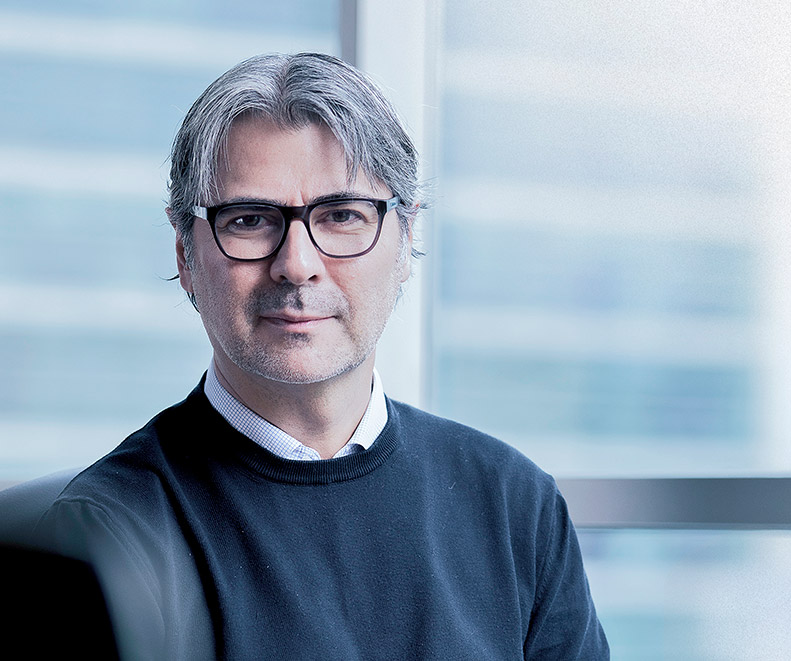
Alex Wagemann highlights the preventive role of Dispute Boards at events in Peru and Mexico
The Dispute Board (DB) mechanism has established itself as a key tool in the prevention and efficient resolution of disputes in infrastructure projects across Latin America.
In this context, Alex Wagemann, founding partner of WL and a specialist in contractual dispute resolution, recently participated in two prominent international forums, where key aspects of the structure, operation, and current challenges of these panels in complex infrastructure projects were addressed.
ICDR-CNEC Mexico
The first event was organized by the International Center for Dispute Resolution (ICDR) and the National Chamber of Consulting Companies (CNEC) of Mexico on May 29, focusing on dispute management, prevention, and resolution in railway projects.
Alex emphasized that DBs not only resolve disputes but also serve as preventive tools with irreplaceable strategic value, especially in highly technical projects like metros and urban trains. “The greatest value of a DB lies in supporting the parties. It’s almost a form of technical and contractual mentoring that reduces costly litigation and accelerates informed decisions,” he explained.
Alex Wagemann delved into contractual elements that should be considered when implementing a DB, noting that its effectiveness largely depends on the project delivery system (PDS). He stressed that while collaborative models reduce the need for DB intervention, in traditional contracts such as construction, EPC, or Design-Build contracts, DBs are highly valuable. “DBs are especially beneficial when integrated early on with clear mandates, structure, and powers. Ideally, they not only resolve but also prevent disputes,” he stated.
He shared his experience in various jurisdictions, pointing out that the institutional context is decisive. “In the public sector, implementation is often mandatory—as in some countries receiving IDB loans—which causes resistance. Conversely, the private sector adopts DBs when it sees real value and cost reduction,” he noted.
As a member of several DBs in recent years, Alex highlighted the legislative models of Brazil, Peru, and Costa Rica, where DB usage is already regulated. He concluded by saying, “The DB is not just a contract clause. It is a governance tool that, when well applied, transforms the project dynamic.”
DRBF Peru
Held on June 13 in Lima, Alex participated as a panelist at the National Conference of Dispute Boards organized by the Dispute Resolution Board Foundation (DRBF), where he discussed structural factors that determine the success or failure of these panels. He emphasized the need for committed sponsors, trained users, and technically competent and impartial panel members. “Without dissemination and training, the system doesn’t expand,” he said, highlighting the urgent need to educate infrastructure ecosystem stakeholders to understand the full scope and benefits of DBs.
He also stressed the importance of DB members combining technical and interpersonal skills and warned against bureaucratizing processes with insubstantial certification requirements. “Rather than arbitration stars, we need professionals who are available, prepared, and committed to the project,” he asserted.
He added that in addition to the contractual design, it is essential to have trained parties, panelists with interpersonal skills, and a convinced institutional sponsor. “It’s not enough to have technical or legal experts: a combination of knowledge, independence, and relationship-building ability is needed. Mutual trust and commitment to amicable resolution are not contractually mandated—they are built over time,” he said, also noting the importance of systematic training and effective use of technological tools to exchange information with the DAB.
LEER OTRAS NOTICIAS
Alex Wagemann highlights the preventive role of Dispute Boards at events in Peru and Mexico
In May and June, Alex Wagemann, founding partner at WL and expert in contractual dispute resolution, participated in two major international forums addressing key aspects of the structure, operation and current challenges of these panels in complex infrastructure projects.
VER MÁS
WAGEMANN Consulting becomes WL Experts & Advisors
We introduce WL Experts & Advisors, a new identity that reflects the natural evolution of that trajectory. This is not just a change of image, but a consolidation: that of an office that integrates technical expertise, strategic vision, and a permanent commitment to professional rigor.
VER MÁS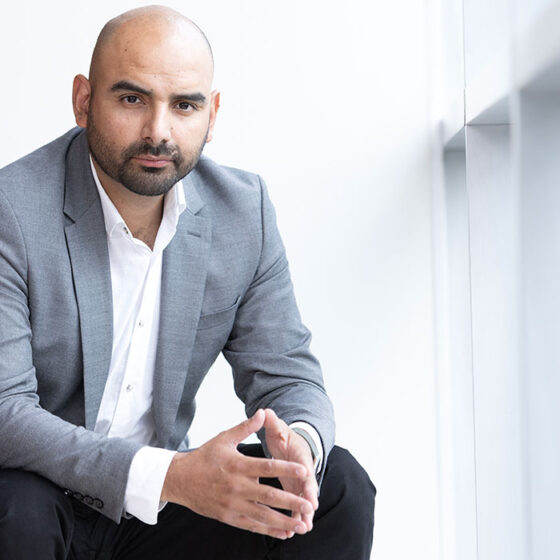
Fernando Landeros: “Simplifying complexity is key in arbitration”
In a column published by a leading Chilean media magazine, WL's director, Fernando Landeros, reflects on the "dual role" of the Expert Witness in Construction Arbitration: "communicating complex ideas in a simple way is key to ensuring that the courts properly understand and value the expert's technical work."
VER MÁS